
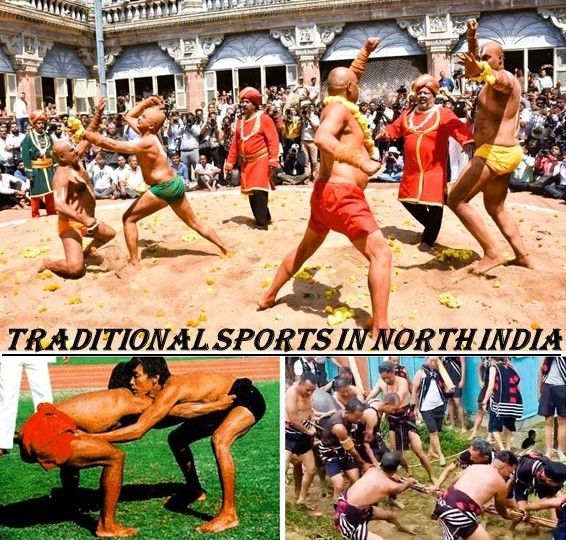
India’s northern region is a vibrant repository of traditional sports that embody cultural richness, historical depth, and communal spirit. These games are not merely recreational activities; they serve as cultural markers passed down through generations, reflecting values of endurance, teamwork, and celebration. From wrestling styles to ball games, each sport carries a distinct identity tied to its land and people.
Unique Traditional Games
- Yubi Lakpi — Known as coconut rugby in Manipur, this seven-a-side game replaces the ball with a coconut. Much like rugby, players attempt to carry the coconut across the goal line while opponents block them. Often played during festivals, it symbolizes agility and strength.
- Vajra-Musti — Originating in Himachal Pradesh and practiced in Punjab and Uttar Pradesh, this sport combines wrestling with a knuckleduster-like weapon called “Indra’s fist.” It reflects martial traditions and the warrior ethos of northern India.
- Insuknawr — A rod-pushing contest from Mizoram where two players test stamina and balance. Popular among youth, it showcases competitive spirit.
- Achugwi Phan Sohlaimung — Bamboo Wrestling of Tripura, where contenders grip a bamboo stick and attempt to pull it toward their side. This test of strength is deeply rooted in Tripura’s traditions.
- Dwkhwi Sotonmung — A tug-of-war game from Tripura emphasizing teamwork and collective power, often enjoyed during community gatherings.
- Longoi Chokmung — A joyful swinging game of Tripura where children tie ropes or vines to tree branches, singing while swinging to add festive charm.
- Surr — A rustic game from Uttar Pradesh’s Ayodhya district, reflecting the region’s rural sporting culture.
- Punjabi Kabaddi — Punjab’s iconic contact sport where players raid opponents’ territory while chanting “kabaddi.” Today, it enjoys international recognition but retains its rural roots.
- Pehlwani — A Mughal-era wrestling style blending native malla-yuddha with Persian traditions, widely practiced in Uttar Pradesh and respected as a form of physical training.
- Mukna — Festival wrestling of Manipur performed during the Lai Haraoba festival, both ceremonial and competitive, symbolizing cultural continuity.
- Chaturanga — Developed in Uttar Pradesh during the Gupta Empire, this ancient precursor to modern chess spread to Persia as “shatranj,” highlighting India’s intellectual legacy.
- Dhopkhel — Assam’s ball game played between two teams, demanding speed, stamina, and acrobatics.
- Gilli-Danda — A rural cricket-like game using a stick and smaller piece of wood, resembling cricket and baseball, showing how traditional games influenced modern sports.
- Kho — A fast-paced tag sport of Punjab where players dodge opponents while running and crouching.
- Lagori — Played in Punjab and Haryana, this game involves knocking down a pile of stones with a ball and rebuilding it while avoiding being hit.
- Koni-Juj — A festive egg-tapping game of Assam where the unbroken egg is declared the winner.
Conclusion
Traditional sports in North India are living traditions that preserve cultural identity, foster community bonds, and celebrate both physical and mental prowess. From the intellectual depth of Chaturanga to The Raw Energy of Kabaddi, these games continue to inspire generations, reminding us of India’s rich heritage. They are not just games but cultural legacies that keep the spirit of tradition alive.