
Introduction
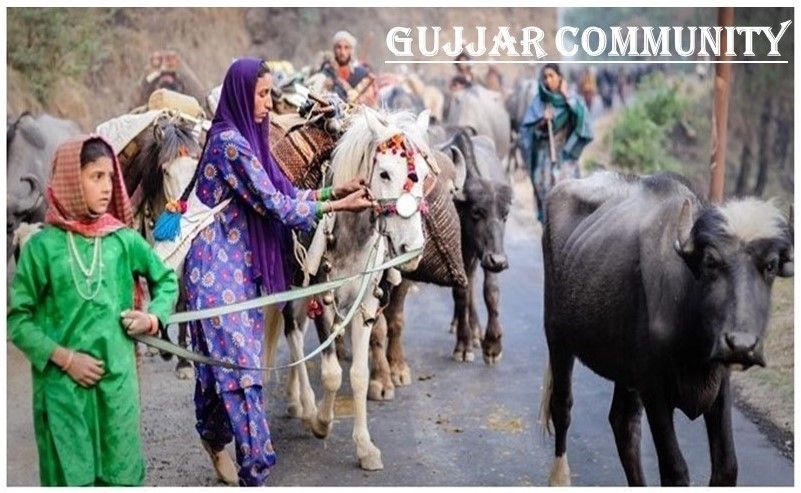
The Hindu Gujjars in India form one of the endogamous religious sections of the larger Gujjar community. Spread across northern and western India, they are known for their pastoral traditions, agricultural practices, and adherence to Hindu customs. While they share cultural similarities with other Gujjar groups, their religious identity and social practices distinguish them within the broader community.
Dietary Habits
The Hindu Gujjars are primarily vegetarian, with their diet revolving around cereals such as wheat, rice, and maize depending on seasonal availability. During summer, wheat and rice are preferred, while maize becomes the staple in winter. Their everyday meals consist of chapati made from wheat or maize, dal, vegetables, and milk products such as curd. Milk and dairy products occupy a central place in their diet, reflecting their pastoral heritage.
Although largely vegetarian, they occasionally consume meat, particularly goat and chicken, during festive or social occasions. Alcoholic drinks are consumed sparingly, usually by men during celebrations, while women abstain. Tobacco smoking is common among male members. On marriage and festive occasions, special dishes like mutton and sweetened rice are prepared, while during mourning periods, non-vegetarian and spicy foods are avoided.
Family Structure
The Hindu Gujjars traditionally uphold the joint family system, with the eldest male serving as the head of the household. His decisions are respected and considered final in family matters. Elders are given due regard, and younger members consult them for guidance. Property inheritance generally follows the male line, though daughters may claim their father’s property in the absence of a son.
In recent times, however, changes in family structures have emerged. Families often share the same roof but maintain separate kitchens, and frequent disputes sometimes lead to nuclear family setups. Despite these changes, respect for elders and adherence to traditional values remain strong.
Role of Women
Women in the Hindu Gujjar community play a significant role both domestically and economically. Besides managing household chores, they tend cattle, prepare dung cakes, and plaster walls and floors with cow dung. Their contribution to agriculture and animal husbandry is vital to the family economy.
Women also participate actively in rituals and festivals, which are celebrated with devotion. Marriage is considered an auspicious occasion, and Hindu Gujjars follow traditional customs. Cremation is the norm for funerals, with the eldest son performing the last rites.
Economy and Occupation
The traditional economy of Hindu Gujjars revolves around cow and buffalo herding, along with the sale of milk and dairy products. Agriculture is widely practiced, and many Gujjars are landowners. In addition to farming and animal husbandry, some have entered government service, reflecting gradual diversification of occupations.
Panchayat System and Beliefs
Social control within the community is enforced through the panchayat system, headed by elder male members. The panchayat resolves disputes related to land, property division, divorce, and compensation. While its decisions are morally binding, dissatisfied individuals may approach formal courts.
The Hindu Gujjars trace their mythical lineage to the Nand Vansha, linking their heritage to Lord Krishna’s upbringing by Mata Yasoda. They worship local gods, goddesses, and regional deities, and celebrate major Hindu festivals with dedication.
Modernization and Development
The Hindu Gujjars maintain traditional ties with communities such as Badhai, Lohar, Jheewar, and Chuhra, who provide social and economic services. Developmental programs have brought modernization in the form of electricity, water supply, and communication networks. Under the Integrated Rural Development Programme, many Gujjars have secured subsidies for dairies, agricultural tools, and tube-wells. Education has expanded, with boys and girls attaining primary and secondary schooling, while immunization programs have improved health outcomes.
Conclusion
The Hindu Gujjars in India embody A Blend of Tradition and Modernity. Rooted in pastoral and agricultural practices, they continue to uphold Hindu customs, family values, and community ties. At the same time, modernization and development programs have opened new opportunities, enabling them to adapt while preserving their cultural identity.