
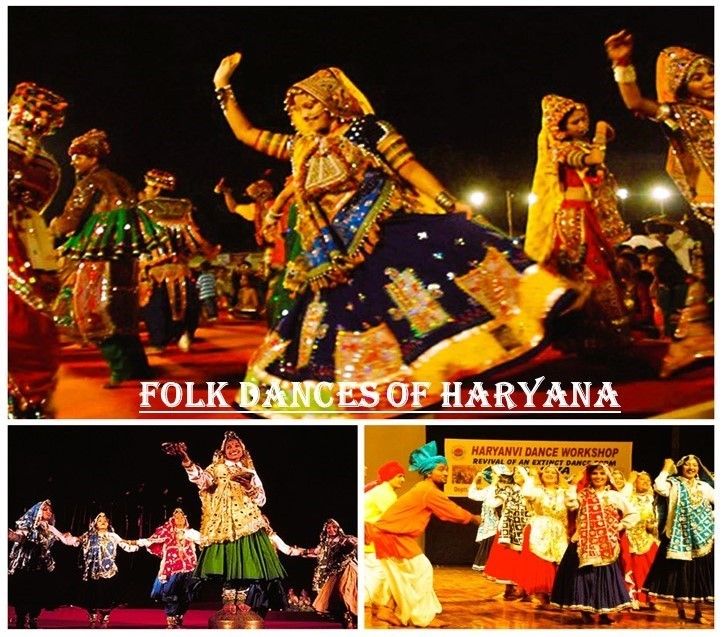
Haryana, a state rich in cultural heritage, is home to several vibrant folk dances that reflect the daily lives, traditions, and celebrations of its people. Among these, The Ghoomar Dance stands out as one of the most unique and captivating performances, especially popular in the western parts of the state. Known for its circular movements and lively songs, Ghoomar is not just a dance but a celebration of community, festivity, and tradition.
Origins and Popularity
The Ghoomar Dance is traditionally performed by girls from the border regions of Haryana. It is deeply rooted in the customs of rural communities and has been passed down through generations as a way of expressing joy during festivals and social gatherings. Its popularity lies in its simplicity, elegance, and the collective spirit it fosters among participants.
Dance Movements and Style
The defining feature of Ghoomar is its circular movements. Dancers form a circle and move gracefully while clapping and singing folk songs. As the performance progresses, the tempo of the music increases, and the dancers begin to swirl faster and faster. At this stage, they form pairs, twirling in synchronization, creating a mesmerizing spectacle of rhythm and motion.
The swirling movements of the dancers, combined with their colorful attire, make the performance visually enchanting. The flared skirts of the performers add vibrancy to the dance, enhancing the beauty of the circular formations.
Songs and Themes
The songs that accompany Ghoomar are an integral part of the performance. They are often filled with satire, humor, and references to contemporary events, making the dance not only entertaining but also socially engaging. Through these songs, performers express emotions, share stories, and comment on everyday life, adding depth and meaning to the dance.
Occasions and Celebrations
Ghoomar is performed on special occasions and festivals, making it a symbol of joy and festivity. Some of the major events where Ghoomar is showcased include:
- Holi: The festival of colors, where Ghoomar adds rhythm and energy to the celebrations.
- Gangaur Puja: A festival dedicated to Goddess Gauri, celebrated by women with devotion and dance.
- Teej: A monsoon festival that celebrates marital bliss and the arrival of rains, where Ghoomar is performed with great enthusiasm.
These occasions highlight the cultural significance of Ghoomar, as it brings communities together in collective celebration.
Cultural Significance
The Ghoomar Dance is more than just a performance it is a cultural expression of Haryana’s traditions. It reflects the role of women in preserving and promoting folk heritage, while also serving as a medium of social bonding. The dance embodies joy, unity, and the spirit of festivity, making it an essential part of Haryana’s cultural identity.
Conclusion
The Ghoomar Dance of Haryana is a vibrant folk tradition that continues to thrive in the state’s western regions. With its circular movements, lively songs, and festive spirit, it captures the essence of community life and cultural heritage. Whether performed during Holi, Gangaur Puja, or Teej, Ghoomar remains a timeless expression of joy, tradition, and togetherness.