
Introduction
Nestled in the southern part of Chhattisgarh, Bastar District is a land of mystique, culture, and ecological richness. Once one of the largest districts in India, Bastar spanned over 39,114 sq km before being divided into smaller administrative units. Today, it covers approximately 8,755.79 sq km, with Jagdalpur as its district headquarters. Positioned on a plateau about 2,000 feet above sea level, Bastar is bordered by Kanker District to the north, Maharashtra to the west, Dantewada to the south, and Odisha to the east. This unique geographical location contributes to its diverse landscape and cultural vibrancy.
History of Bastar District
Bastar District History is deeply rooted in tribal traditions and royal legacies. The region was once a princely state founded in 1324 AD by Annam Dev of the Kakatiya dynasty. Jagdalpur served as the royal seat and remains the cultural and economic hub of the district. After India’s independence, Bastar joined the Indian Union in 1948. One of its most revered rulers, Maharaja Pravir Chandra Bhanj Deo, is remembered for championing tribal rights and preserving indigenous customs. Bastar’s historical significance also ties back to the Dandakaranya forests mentioned in the Ramayana, believed to be traversed by Lord Rama during his exile1.
Geography of Bastar District
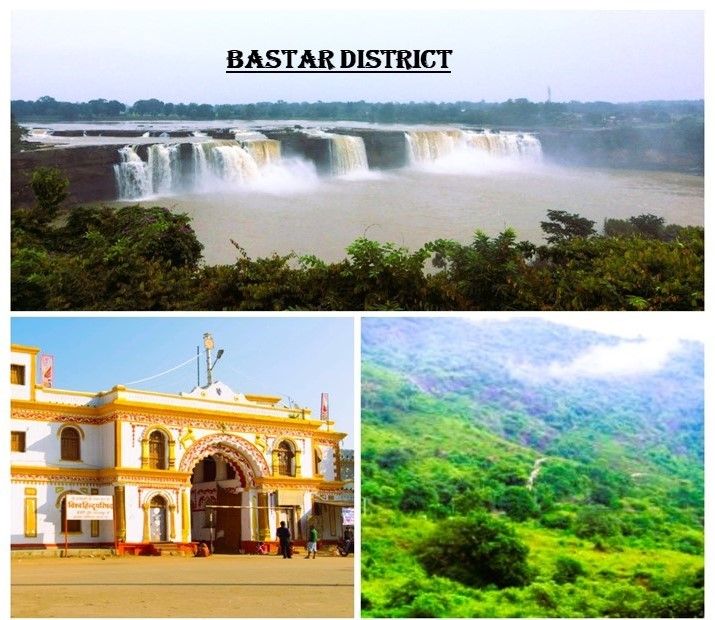
Bastar’s terrain is a blend of dense forests, rolling hills, and fertile plains. The district lies on a plateau, contributing to its moderate climate and rich biodiversity. It is part of the Bastar division and includes several protected areas such as the Kanger Valley National Park, which is home to species like tigers, leopards, and the Bastar Hill Myna. The region’s topography supports a variety of flora and fauna, making it a hotspot for eco-tourism and conservation.
Agriculture in Bastar District
Agriculture is the backbone of Bastar’s economy. The district’s tribal communities primarily engage in subsistence farming, cultivating crops like rice, maize, pulses, and millets. The fertile soil and ample rainfall support paddy cultivation, which dominates the agricultural landscape. Traditional methods of farming are still prevalent, although efforts are being made to introduce modern techniques to improve productivity.
Livelihood in Bastar District
The livelihood of Bastar’s residents is intricately tied to nature. Apart from agriculture, forest produce plays a vital role in sustaining the local economy. Tribals collect and sell items like tendu leaves, mahua flowers, sal seeds, and honey. Handicrafts such as bell-metal dhokra art, wood carvings, and terracotta items also contribute to income generation. These crafts are not only economic assets but also cultural expressions passed down through generations.
Forests in Bastar District
Bastar is enveloped by lush forests that form part of the Dandakaranya region. These forests are rich in biodiversity and serve as a lifeline for tribal communities. They provide food, medicine, and materials for shelter and crafts. The forests also play a crucial role in maintaining ecological balance and are home to several endangered species. Conservation efforts are underway to protect these natural treasures while ensuring sustainable livelihoods for forest dwellers.
Rivers in Bastar District
The district is crisscrossed by several rivers, the most prominent being the Indravati River. This river not only supports agriculture but also adds to the scenic beauty of the region. The Chitrakote Waterfall, often dubbed the “Niagara of India,” is formed by the Indravati and is a major tourist attraction. Other rivers like Shabari and Kolab also flow through Bastar, enriching its landscape and supporting aquatic biodiversity.
Economic Dependency on Agriculture
Despite its rich natural resources, Bastar’s economy remains heavily dependent on agriculture. Limited industrial development and infrastructural challenges have kept the region reliant on traditional farming and forest produce. Government initiatives aim to diversify the economy by promoting tourism, handicrafts, and agro-based industries. However, sustainable development remains a key challenge due to the district’s remote location and socio-political complexities.
Culture of Bastar District
Bastar’s culture is a vibrant mosaic of tribal traditions, festivals, and rituals. Over 70% of the population belongs to tribal communities such as the Gonds, Marias, Halbas, and Dhurwas. The district is famous for its 75-day-long Bastar Dussehra, a unique celebration dedicated to Goddess Danteshwari rather than Lord Rama1. This festival features elaborate rituals, chariot processions, and community gatherings. Tribal dances like Saila and Karma, along with folk music and storytelling, are integral to Bastar’s cultural identity.
Demography of Bastar District
Bastar has a population of over 1.4 million, with a significant majority belonging to Scheduled Tribes. The tribal communities maintain distinct languages, customs, and social structures. Literacy rates are gradually improving, and efforts are being made to enhance access to education and healthcare. The demographic profile reflects a young population, with a growing emphasis on skill development and employment opportunities.
Tourism in Bastar District
Tourism in Bastar is a blend of cultural exploration and nature immersion. Key attractions include:
- Chitrakote and Tirathgarh Waterfalls: Stunning cascades ideal for photography and picnics
- Kanger Valley National Park: A biodiversity hotspot with trekking trails and wildlife sightings
- Danteshwari Temple: A sacred Shakti Peeth with historical and spiritual significance
- Kutumsar Caves: Geological wonders with stalactite formations
Nature Tourism in Bastar District
Nature tourism is flourishing in Bastar, thanks to its untouched landscapes and eco-friendly initiatives. Visitors can explore tribal villages, engage in birdwatching, and participate in forest treks. The region’s commitment to sustainable tourism has earned recognition from international bodies like UNWTO. Bastar’s natural charm, combined with its cultural depth, offers a transformative travel experience.
How to Reach Bastar District
Bastar is accessible via road, rail, and air:
- By Road: Jagdalpur is well-connected to Raipur, Vishakhapatnam, and Hyderabad by national highways.
- By Rail: Jagdalpur Railway Station links the district to major cities in Chhattisgarh and neighboring states.
- By Air: Swami Vivekananda Airport in Raipur is the nearest major airport, with Jagdalpur also having a small domestic airport.
Bastar District is not just a geographical entity it’s a living canvas of Tribal Heritage, natural beauty, and historical depth. Whether you're a traveler, researcher, or culture enthusiast, Bastar promises an unforgettable journey into the heart of India.