
Introduction
The traditional folk music of Assam is a vibrant expression of the state’s cultural identity. Deeply rooted in the daily lives, festivals, and spiritual practices of the Assamese people, these songs are performed during seasonal changes, religious ceremonies, and community gatherings. Each genre carries its own purpose whether to celebrate love, mark a harvest, or invoke blessings and together they form an essential part of Assam’s rich musical heritage.
Bihu Songs or Bihu Geet
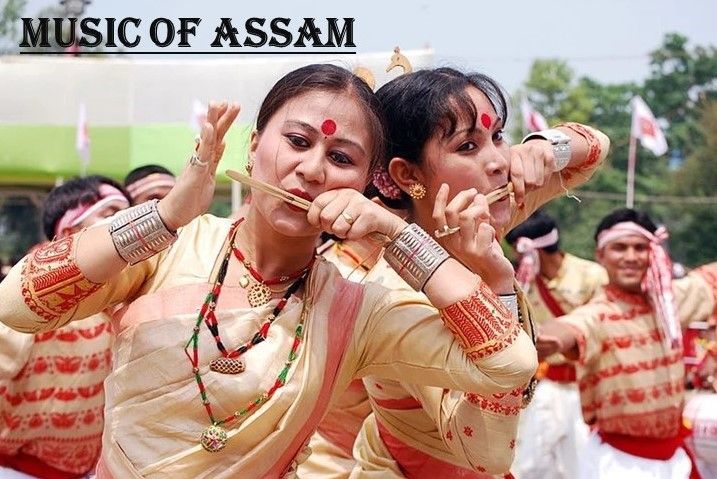
The Bihu Festival is the heart of Assamese Culture, and its music—Bihu geet—is the soul of the celebration. These songs are filled with themes of love, joy, and youthful energy, often performed by young men and women. The performances are marked by lively movements such as flinging and flipping of hands, brisk stepping, and swaying of hips, reflecting the carnival-like atmosphere of the festival.
Another form of Bihu music is Husori, performed by groups of boys and young men led by elders. These groups visit households, singing and dancing in courtyards while collecting donations for community activities like repairing the Namghar(village prayer hall). Unlike Bihu geet, Husori songs carry a more spiritual tone, as they pray for prosperity and well-being, adding a devotional dimension to the festivities.
Bhawaiya
Bhawaiya is another significant folk genre, originating from Northern Bengal and spreading into Assam’s Goalpara district. This musical form is closely tied to the lives of working-class communities such as mahouts (elephant keepers), buffalo herders (mahishals), and cart drivers (gariyals).
The lyrics of Bhawaiya often express themes of separation, longing, and loneliness, particularly the emotional struggles of women left behind. The elongated tones of the songs emphasize pain and yearning, making Bhawaiya deeply emotional and poignant.
Believed to have originated in the 16th century during the reign of Biswa Singha, Bhawaiya evolved over time and gained popularity on stage by the 1950s. Its lyrics are non-denominational, focusing on universal human emotions like love and loss, which makes it culturally significant even today.
Cultural Significance
Both Bihu geet and Bhawaiya highlight the diversity of Assamese folk traditions. While Bihu songs celebrate life, fertility, and joy, Bhawaiya reflects the struggles and emotions of everyday existence. Together, they showcase the balance between festivity and introspection in Assamese culture.
These genres are not just musical forms but also social practices that strengthen community bonds. Bihu geet brings people together in celebration, while Bhawaiya preserves the voices of the marginalized, ensuring their experiences are remembered through song.
Conclusion
The Traditional Folk Genres of Assamese Music from the festive rhythms of Bihu geet and Husori to the soulful melodies of Bhawaiya form the foundation of Assam’s cultural identity. They embody the emotions, traditions, and values of the Assamese people, making them timeless treasures. By preserving and celebrating these genres, Assam continues to uphold its rich musical heritage, ensuring that future generations remain connected to the rhythms of their land and culture.