
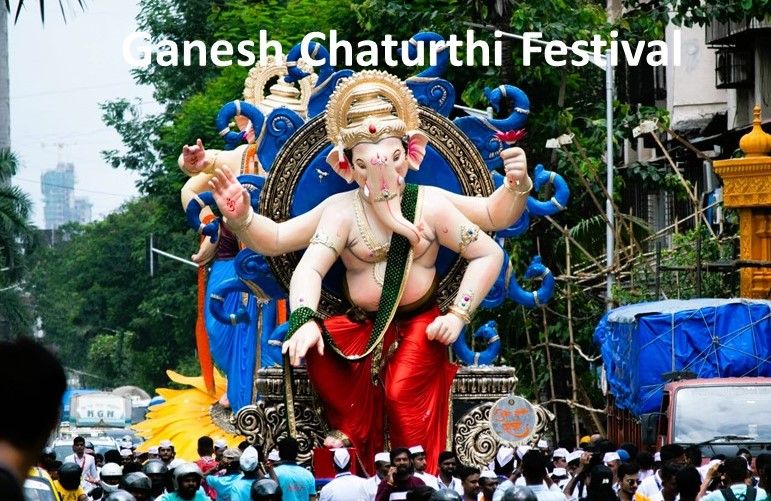
Ganesh Chaturthi is one of the most vibrant and widely celebrated festivals in Hinduism. It honors the birth of Lord Ganesha, revered as the remover of obstacles, patron of wisdom, and symbol of prosperity. The festival typically lasts 10–11 days, beginning on the fourth day of the Hindu month of Bhadrapada, which falls in August or September. For example, in 2019, Ganesh Chaturthi was observed on 2nd September.
History of Ganesh Chaturthi
The origins of Ganesh Chaturthi are deeply rooted in Indian history and tradition. Chhatrapati Shivaji Maharaj is believed to have encouraged its celebration to promote unity among his people after the Mughal-Maratha conflicts.
During British colonial rule, the festival gained renewed significance. In 1892, nationalist leader Bal Gangadhar Tilak transformed Ganesh Chaturthi into a Public Event. By installing large idols in the Bombay Presidency, Tilak turned the festival into a platform for political activism and cultural solidarity. By 1893, it had evolved into a movement featuring poetry recitals, plays, concerts, and folk dances, subtly fueling India’s freedom struggle.
In Goa, the festival’s roots trace back to the Kadamba dynasty (10th–14th century CE). Even during the Portuguese Inquisition, when Hindu practices were banned, devotees continued worshipping Lord Ganesha using symbolic idols made of leaves (patri), preserving their faith despite colonial restrictions.
Significance of Ganesh Chaturthi
Lord Ganesha represents wisdom, prosperity, and new beginnings. Devotees believe that worshipping him removes obstacles and brings success in life’s endeavors. Beyond its spiritual meaning, Ganesh Chaturthi is a cultural celebration that strengthens community bonds and fosters collective joy.
Celebration of Ganesh Chaturthi
Ganesh Chaturthi is celebrated with grandeur in states such as Maharashtra, Karnataka, Goa, Telangana, Gujarat, and Chhattisgarh. The festivities include:
- Clay idols: Installed in homes and public pandals, often crafted with eco-friendly materials.
- Devotional rituals: Fasts, chanting of Vedic hymns, and offerings performed with devotion.
- Modak: A sweet dumpling made of rice or wheat flour, stuffed with coconut, jaggery, and dry fruits, considered Lord Ganesha’s favorite.
- Cultural programs: Music, dance, and theatrical performances that enrich the festive spirit.
The festival concludes on Anant Chaturdashi, when idols are taken in grand processions for immersion (visarjan) in rivers, lakes, or the sea. Cities like Mumbai witness spectacular celebrations, with streets echoing chants of “Ganapati Bappa Morya” as devotees bid farewell to the deity.
Conclusion
Ganesh Chaturthi is more than a religious festival it is a cultural phenomenon that unites people across regions and communities. Rooted in history and enriched by tradition, it continues to inspire devotion, joy, and togetherness. The celebration of Lord Ganesha reflects the enduring spirit of faith, resilience, and cultural pride in Indian society.