
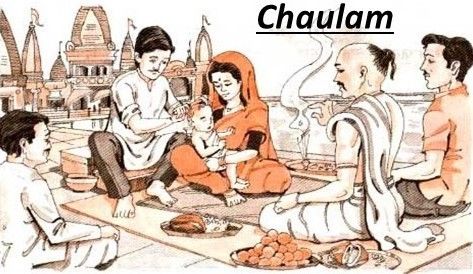
Among the many customs that define the spiritual journey in Hinduism, the Chaula ceremony holds a unique and revered place. Much like the Christian baptism, it is considered one of the essential childhood rites of passage. Hindu parents traditionally observe four key ceremonies for their child: Jatakarvia(casting the horoscope), Nama Karma(name-giving), Anna Prasana(first solid food), and finally Chaula(first head shaving). Of these, Chaula is the fourth and one of the most symbolic milestones.
Meaning of Chaula
The Chaula ceremony involves shaving the head of a male child for the first time. Hindu Belief Emphasizes that a True Follower, unless he is a Sanyasin or ascetic, should neither keep his head completely shaved nor allow long hair to cover the entire scalp. Female children, however, are permitted to grow long hair, reflecting cultural symbolism tied to gender roles and spiritual practice.
Timing and Rituals
The ceremony is usually performed when a boy reaches around five years of age. Parents consult the Panchang(Hindu almanac) to select an auspicious day. The family priest, or Purohit, guides the rituals, while music from pipers, drummers, and other musicians creates a festive atmosphere.
- The father begins the ritual by cutting a few strands of hair while chanting sacred mantras, symbolizing his spiritual responsibility.
- The actual shaving is entrusted to a barber; whose skill ensures the child’s safety.
- This act highlights the balance between parental duty and community participation in Hindu rituals.
Symbolism of Hair and the Body
Hair growth is often compared to weeds in a garden something that must be managed for purity and discipline. Philosophically, the ceremony reflects ideas about the human body and mind.
- Men, with their stronger cerebro-spinal systems, are believed to make greater use of the brain centers at the crown. Shaving the crown area symbolizes discipline and spiritual focus.
- Women, with a more developed sympathetic system, grow their hair long to signify different spiritual functions.
Variations Among Hindus
Different groups within Hindu society observe Chaula in distinct ways:
- Grihastas: Shave most of the body hair but retain a tuft (shikha), essential for performing ancestral rites.
- Sanyasins: Shave the entire head and chest, symbolizing detachment from worldly life and readiness for meditation.
- Ascetics and Rishis: Allow hair to grow freely, representing renunciation and withdrawal from social obligations.
Cultural and Spiritual Importance
The Chaula ceremony is far more than a grooming ritual. It embodies purification, discipline, and readiness for the next stage of life. By entrusting the barber with the child’s first shave, families acknowledge the importance of tradition, expertise, and community in religious practice. It serves as a reminder that spiritual growth is not an isolated journey but one deeply connected to family and society.
Conclusion
The Chaula ceremony reflects the richness of Hindu culture and its emphasis on rituals marking life milestones. It blends spirituality, symbolism, and tradition, reminding Hindus of their connection to The Divine and Their Responsibilities within the community. Just as baptism signifies entry into the Christian faith, Chaula marks a child’s initiation into the disciplined spiritual journey of Hinduism.