
Introduction
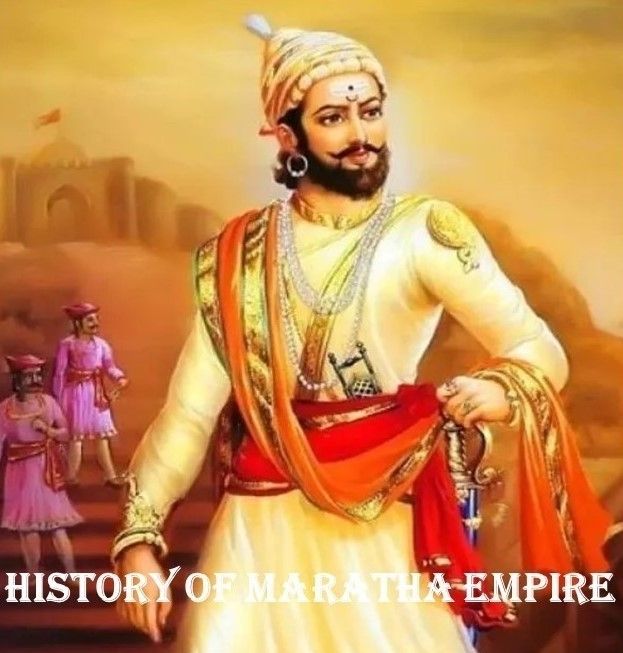
The Maratha Empire, founded by Chhatrapati Shivaji Maharaj, reached its zenith under the leadership of the Peshwas, who became the de facto rulers of the empire in the 18th century. Originally appointed as prime ministers to assist the Chhatrapati, the Peshwas gradually assumed greater authority, transforming the Maratha state into a powerful confederacy. Their administration, military campaigns, and political strategies expanded Maratha influence across India, making them one of the most formidable powers of the era.
Rise of the Peshwa System
The decline of direct royal authority after The Death of Shivaji and subsequent succession struggles created space for the rise of the Peshwas. Balaji Vishwanath, appointed as Peshwa by Shahu in 1712, played a crucial role in consolidating Maratha power. He reorganized the administration, strengthened alliances, and laid the foundation for the Peshwa system. His tenure (1712–1721) marked the beginning of Peshwa dominance in Maratha politics.
Shahu Maharaj, recognizing the divisive nature of caste-based politics, sought to unify society by bringing different sections together. This inclusivity allowed the Marathas to mobilize broad support against the Mughal Empire, which was weakened after Aurangzeb’s death in 1707. The Marathas, under the Peshwas, were hailed as defenders of Hinduism, resisting Mughal aggression and expanding their territories.
Baji Rao I and Expansion of Power
The most celebrated Peshwa was Baji Rao I (1721–1740), who transformed the Marathas into a Pan-Indian power. A brilliant military strategist, Baji Rao pioneered swift cavalry movements and guerrilla tactics, enabling the Marathas to strike deep into Mughal territories. His campaigns extended Maratha influence into Malwa, Bundelkhand, and northern India.
Baji Rao’s vision was to establish Maratha supremacy across the subcontinent, and his victories against the Mughals and regional powers brought vast territories under Maratha control. His leadership marked the peak of Maratha military expansion, earning him recognition as one of India’s greatest generals.
Administrative Structure
Under the Peshwas, the Maratha Empire evolved into a confederacy. While the Peshwa remained the central authority in Pune, regional chieftains known as Maratha Sardars—such as the Gaekwads of Baroda, Holkars of Indore, and Shindes of Gwalior—were granted autonomy in their territories. These Sardars expanded Maratha influence in northern and central India, eventually establishing semi-independent kingdoms.
The Peshwa administration emphasized revenue collection, military organization, and diplomacy. Land revenue remained the backbone of the economy, while military campaigns ensured a steady flow of resources. The Peshwas also maintained alliances with Rajputs and other regional powers to strengthen their position against the Mughals.
Decline of Central Authority
While the Peshwa system brought unity and expansion, it also sowed the seeds of fragmentation. The growing autonomy of Maratha Sardars weakened central authority, and internal rivalries often undermined collective strength. By the late 18th century, the Maratha confederacy faced challenges from the rising British East India Company, leading to eventual decline.
Conclusion
The Peshwa Administration marked the golden era of the Maratha Empire. From Balaji Vishwanath’s consolidation to Baji Rao I’s military brilliance, the Peshwas transformed the Marathas into a dominant force across India. Their governance combined centralized authority with regional autonomy, creating a unique confederacy system. Though internal divisions later weakened the empire, the legacy of the Peshwas endures as a testament to Maratha resilience, vision, and administrative innovation.