
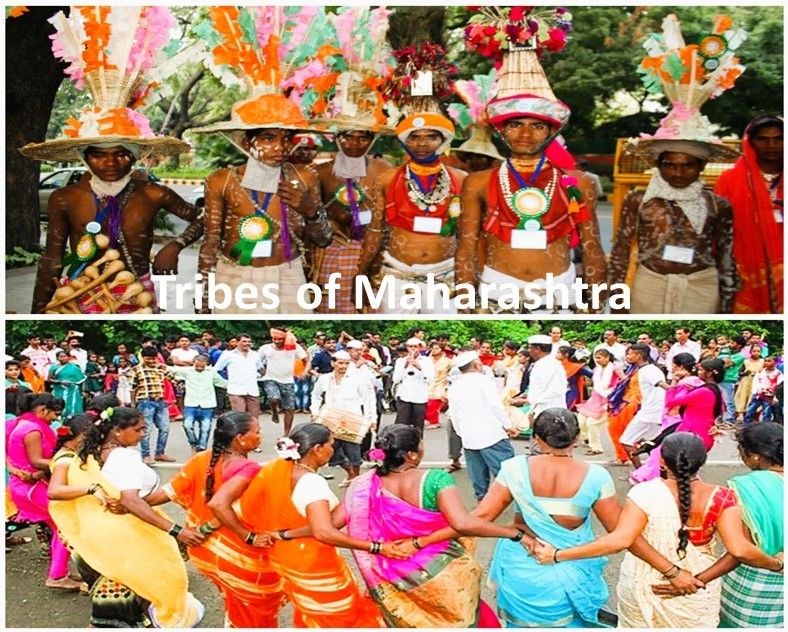
Introduction
The Oraon tribe is one of the most prominent tribal groups in India and is considered the chief representative of the Dravidian races. In Maharashtra, the Oraons are officially recognized as a Scheduled Tribe, which highlights their socio-cultural importance and ensures constitutional safeguards for their welfare. Known for their agrarian lifestyle, vibrant traditions, and strong community bonds, the Oraons contribute significantly to the cultural diversity of Maharashtra.
Historical Background
The Oraons trace their ancestry to the Dravidian races and are believed to have migrated from the Chota Nagpur plateau in present-day Jharkhand. Over centuries, many Oraons moved to different parts of India, including Maharashtra, where they settled and adapted to local conditions while preserving their distinct identity. Their history is marked by resilience, as they maintained their traditions despite external influences and socio-political changes.
Society and Lifestyle
The Oraon Society is organized into clans, each with its own customs, responsibilities, and taboos. Clan identity plays a crucial role in marriage, rituals, and social organization. The tribe practices endogamy within clans, ensuring the preservation of lineage and traditions.
Agriculture is the backbone of their economy. The Oraons cultivate crops such as rice, maize, and vegetables, relying on traditional farming techniques. Their vegetarian diet reflects their agrarian roots and spiritual beliefs. Apart from farming, they engage in handicrafts, weaving, and tool-making, which sustain their livelihood and showcase their creativity.
Culture and Traditions
The Oraon tribe has a rich cultural life, marked by festivals, dances, and music. Their folk dances, such as Karma and Sarhul, are performed during agricultural and religious festivals. These dances, accompanied by drums and flutes, symbolize fertility, joy, and community spirit.
Religious practices among the Oraons include worship of nature deities, ancestors, and village gods. Over time, many Oraons have adopted Hindu rituals, yet their indigenous beliefs remain strong. Festivals like Sarhul celebrate the sal tree and the renewal of life, reflecting their deep connection with nature.
Marriage customs are elaborate, involving rituals that emphasize clan identity and community participation. Social gatherings during marriages and festivals strengthen bonds within the tribe.
Heritage and Language
The Oraons speak Kurukh, a Dravidian language that is central to their identity. Oral literature, folk songs, and proverbs in Kurukh preserve their worldview and cultural heritage. The language serves as a vital link between generations, ensuring continuity of traditions.
Their heritage also includes traditional attire, ornaments, and handicrafts, which highlight their artistic legacy. Women often wear colorful saris with distinctive patterns, while men prefer simple yet symbolic clothing. Jewellery made of beads and metals reflects both aesthetic sense and cultural symbolism.
Challenges and Continuity
Like many tribal communities, the Oraons face challenges in preserving their traditions amidst modernization and migration. Urbanization and economic pressures have led to changes in lifestyle, language use, and cultural practices. However, their strong community bonds and pride in heritage help them adapt while retaining their distinct identity.
Government initiatives and cultural organizations play a crucial role in safeguarding their traditions, promoting education, and ensuring socio-economic development. Recognition as a Scheduled Tribe provides constitutional protection and opportunities for empowerment.
Conclusion
The Oraon Tribe of Maharashtra represents a unique blend of Dravidian heritage and local adaptation. Their agrarian lifestyle, communal society, and vibrant cultural traditions make them an integral part of India’s tribal mosaic. From their language and festivals to their crafts and rituals, the Oraons embody resilience, creativity, and harmony with nature. Despite modern challenges, they continue to thrive, preserving their identity while contributing to the cultural richness of Maharashtra.