
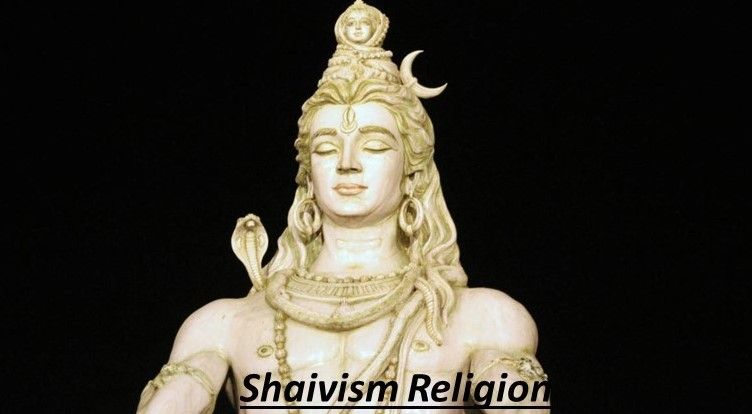
Kashmir Shaivism is one of the most refined and highly developed schools of Indian philosophy. Flourishing between the 7th and 12th centuries CE, it is not a religion in the conventional sense but a philosophical system opens to all seekers, regardless of caste, creed, or background. Its central aim is to guide individuals toward the realization of their unity with Lord Shiva, the supreme consciousness.
Literary Sources of Kashmir Shaivism
The Foundational Texts of Kashmir Shaivism were composed in Sanskrit. While some minor works have been translated into English, the depth of the philosophy is best understood in its original language. Among the most significant contributions is Abhinavagupta’s Pratyabhijna Vimarsini, a monumental commentary that explores the recognition (pratyabhijna) of one’s true identity as Shiva. Though translations exist, scholars emphasize that the full essence of the philosophy can only be grasped through the original Sanskrit.
The Trika Philosophy
Kashmir Shaivism is also known as the Trika Philosophy, meaning “threefold science.” It is based on three energies of Lord Shiva:
1. Para (Supreme Energy) – The subjective energy of Shiva, representing pure consciousness.
2. Parapara (Intermediate Energy) – The cognitive energy, serving as the bridge between the individual and the supreme.
3. Apara (Inferior Energy) – The objective energy, associated with material existence and limitation.
Human beings are believed to reside in the inferior energy, bound by sorrow and the cycle of birth and death. The purpose of Trika philosophy is to elevate the individual from this state, through the intermediate energy, into the supreme energy where liberation and bliss are attained.
Path of Consciousness
To achieve this transformation, Kashmir Shaivism prescribes three methods (upayas), each suited to different levels of spiritual capacity:
- Shambhavopaya (Supreme Means): The highest path, requiring no rituals or external practices. The seeker simply cultivates constant awareness of pure consciousness, dissolving the ego into divine unity.
- Shaktopaya (Intermediate Means): In this path, the aspirant meditates on a spiritual thought or insight imparted by a master. Concentration on this thought leads directly to God-consciousness, without reliance on mantras or breath control.
- Anavopaya (Inferior Means): Designed for those with limited capacity, this path employs practices such as pranayama (breath control), mantra recitation, and meditation. Though considered a lower method, it still guides the seeker toward divine realization.
These three paths reflect the inclusivity of Kashmir Shaivism, offering a way for every aspirant to progress toward liberation.
Historical Context
Despite its intellectual brilliance, Kashmir Shaivism remained largely confined to the valley of Kashmir. Frequent invasions of frontier regions by the Huns and later the Pathans disrupted scholarly exchange, preventing its spread to other parts of India. As a result, this profound philosophy remained relatively unknown outside Kashmir, even among Indian scholars.
Conclusion
Kashmir Shaivism stands as A Jewel of Indian Philosophy, blending metaphysics, mysticism, and practical spirituality. Through its Trika system, it teaches how the limited human self can ascend from material bondage to supreme consciousness, ultimately realizing its identity with Lord Shiva. Though geographically confined, its timeless wisdom continues to inspire seekers of truth, offering a path of awareness, meditation, and liberation.