
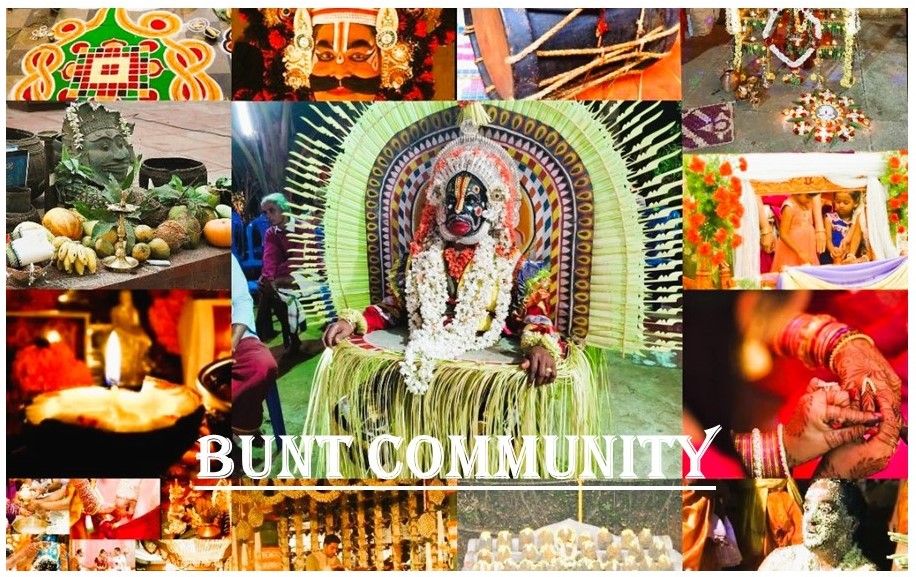
The Bunt community, native to the coastal districts of Karnataka, is one of the most distinctive social groups in South India. Known for their valor, cooperative spirit, and cultural richness, the Bunts have preserved traditions that set them apart from many other communities. Their society is deeply rooted in unique customs, particularly in matters of property rights, family structure, and cultural heritage.
Property Rights and Family System
A striking Feature of the Bunt Community is the aliya santhana system, a matrilineal tradition where property rights are vested in women. This system evolved because Bunts were historically warriors who often had to leave their homes for long periods. To ensure stability, women managed farms and households while men retained titular authority. Under this system, property remained undivided and passed on to the sister’s son of the deceased holder. Families were organized around the mother and her children, with the father considered an “outsider.” Unlike many communities, the birth of a girl was celebrated, as she ensured the continuation of the family line.
Cooperative Living and Agriculture
Traditionally, Bunt families lived in large households, sometimes with over a hundred members under one roof, sharing a common kitchen. Agriculture was practiced cooperatively under the leadership of the yajaman (head) of a guttuor beedu (ancestral house). This system fostered unity and ensured that land and resources were managed collectively.
Marriage Customs and Social Practices
Marriage in the Bunt community has always been simple compared to other groups. Under the aliya santhana system, marriage was more a customary arrangement than a legal contract. Divorce could be granted after six months of application, yet separations were rare. Historically, dowry was unknown because daughters inherited property and received jewelry from their mothers. However, in recent decades, dowry has become more common, though some families continue to resist the practice. Intermarriage between different guttus and beedus was once prohibited but is gradually fading away.
Cultural Contributions
The Bunts have played a vital role in nurturing Yakshagana, the vibrant folk dance-drama of Karnataka. Many Bunt households maintained their own troupes, and several individuals from the community have made notable contributions to this art form, which has gained national recognition. Recreational activities such as buffalo racing and cockfights (koridatta) also reflect their love for outdoor sports and competitive spirit.
Migration and Modern Achievements
Today, Mumbai hosts the largest number of Bunts outside their native district. Migration has brought opportunities, and Bunts have excelled in diverse fields. Many have become poets, doctors, journalists, entrepreneurs, and politicians, showcasing their adaptability and enterprise.
Political and Social Leadership
Historically, the British appointed Bunts as village headmen. Despite challenges posed by the Ryotwari tenancy system and later land reforms, Bunts continue to own significant cultivable land and retain leadership roles in rural society. They are well represented in panchayats, taluk boards, and even the State Legislature. Their political influence stems from their close ties with tenants and villagers, sharing both hardships and celebrations.
Cuisine and Religious Practices
The community largely prefers non-vegetarian cuisine, though certain families such as the Ballals and Kurla Hegdes abstain from meat and intoxicants. These groups wear the sacred thread, reflecting their adherence to traditional religious practices.
Legacy and Heritage
The Bunt Community legacy lies in its resilience, cooperative traditions, and cultural patronage. Their matrilineal system, emphasis on collective living, and contributions to art and politics highlight a society that values both heritage and progress. Despite modern changes, Bunts continue to command respect and maintain their identity as a dynamic and influential community.