
Introduction
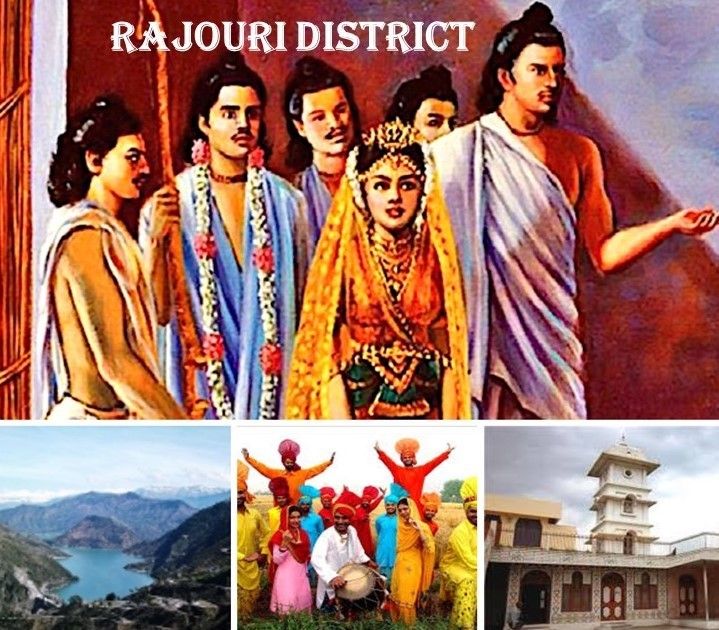
Rajouri District, situated in the Jammu region of Jammu and Kashmir, is a land of vibrant traditions and cultural richness. Its folk songs and dances are not only artistic expressions but also reflections of the people’s lifestyle, rituals, costumes, and values. The district’s cultural identity is shaped by the blend of Pahari, Poonchi, Gujri, Dogri, and Kashmiri influences, making its Folk Traditions Diverse and Colorful.
Folk Songs of Rajouri
Folk songs in Rajouri are deeply rooted in the everyday life of its people. They are sung during festivals, social gatherings, and seasonal migrations, capturing emotions and experiences of the community.
- Dhindi, Kenchi, Cucko, Mehndi, Baisakh, Dholan, Laari, and Bar-Shams are among the most popular folk songs.
- Baisakh songs are particularly significant, sung during the summer season when people migrate with their livestock to the highland pastures (Dhoks). These songs celebrate the bond between humans, animals, and nature.
- The themes of these songs range from love, separation, and joy to devotion and heroism. They also serve as oral records of traditions, rituals, and community life.
The Gujjars, one of the most important communities in the district, have preserved many of these folk songs, ensuring their continuity across generations.
Folk Dances of Rajouri
Dance in Rajouri is a powerful medium of cultural expression. It conveys joy, devotion, and community spirit, often performed during fairs, festivals, and religious ceremonies.
- Dogri Bhangra: A lively and energetic dance, performed during celebrations, symbolizing happiness and vigor.
- Gogri Dance: Known for its rhythmic movements, it reflects the cultural identity of the Gogri-speaking people.
- Keekli: A playful dance, often performed by young girls, involving spinning movements that symbolize joy and innocence.
- Letri Naach: A traditional dance performed during festive occasions, marked by graceful steps and group participation.
- Jattar and Jagarana: Ritualistic dances associated with worship and spiritual practices, performed to honor deities.
- Chowki Naach: A devotional dance performed in temples or during religious gatherings.
- Rouf: A Kashmiri-origin dance, performed by women, characterized by synchronized steps and melodious songs, often during spring festivals.
These dances are not merely entertainment; they embody the collective emotions of the people, their devotion to gods and goddesses, and their joy in community life.
Cultural Significance
The folk songs and dances of Rajouri District are more than artistic traditions—they are cultural treasures. They:
- Preserve oral history and community values.
- Strengthen social bonds by bringing people together during festivals and rituals.
- Reflect the district’s multicultural identity, blending influences from Dogri, Pahari, Gujri, Kashmiri, and Poonchi traditions.
- Serve as a medium of cultural continuity, passing traditions from one generation to the next.
Conclusion
Rajouri District’s folk songs and dances are Living Expressions of its Cultural Soul. Whether it is the melodious Baisakh songs sung during migrations or the energetic Dogri Bhangra performed at festivals, these traditions capture the essence of community life. They portray the people’s emotions, rituals, and values, making Rajouri a land where culture thrives in rhythm and melody. Preserving these traditions ensures that the district’s rich heritage continues to inspire and enchant future generations.