
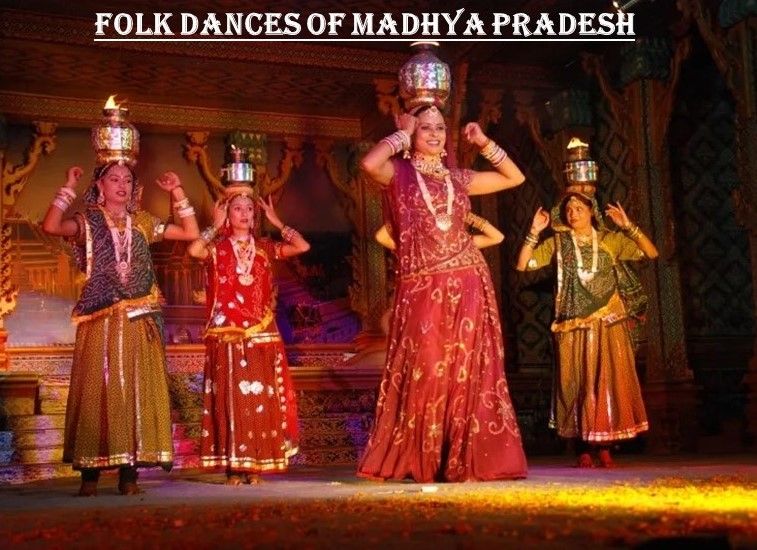
Madhya Pradesh, often called the “Heart of India,” is a state that thrives on its diverse cultural traditions and vibrant tribal heritage. Folk dances here are not merely artistic performances but living traditions that embody spirituality, community bonding, and celebration. Among the many dance forms that enrich the cultural fabric of Madhya Pradesh, the Ahiri Danceand the Lehangi Dance Sand out for Their Unique Styles, symbolic meanings, and deep cultural roots.
Ahiri Dance: The Heritage of Cattle Herders
The Ahiri Dance is a distinctive folk tradition associated with the cattle herders of Gwalior. This dance is not only a reflection of pastoral life but also carries strong religious connotations. The communities of Gwalior who perform this dance are believed to be descendants of Lord Krishna, the divine cowherd, which adds a spiritual dimension to the performance.
The dance is performed during festive occasions and community gatherings, often accompanied by devotional songs and rhythmic movements. The performers, dressed in traditional attire, enact scenes that symbolize their connection to cattle rearing and their devotion to Krishna. The Ahiri Dance thus becomes both a cultural expression of livelihood and a spiritual offering.
The movements in the dance are graceful yet energetic, reflecting the daily activities of cattle herders. The songs sung during the performance often narrate stories of Krishna’s life, his playful interactions, and his divine acts. This blend of pastoral themes and religious devotion makes the Ahiri Dance a unique cultural treasure of Madhya Pradesh.
Lehangi Dance: The Vibrancy of the Banjara and Kanjar Tribes
The Lehangi Dance is a popular folk tradition of the Banjara and Kanjar tribes of Madhya Pradesh. It is performed during the monsoon season, a time of renewal and joy, when nature flourishes and communities come together to celebrate. The Banjara tribe also performs this dance during the festival of Rakhi, adding a festive charm to the tradition.
In the Lehangi Dance, young men grasp sticks in their hands and beat them rhythmically while dancing. The synchronized movements and the sound of sticks striking create a lively and energetic atmosphere. The dance is performed in groups, symbolizing unity and collective joy.
The costumes worn during the Lehangi Dance are colorful and vibrant, reflecting the spirit of the tribes. The rhythmic beats of sticks, combined with traditional songs, make the performance captivating and festive. The dance not only entertains but also strengthens social bonds, as it is performed during communal gatherings and celebrations.
The Lehangi Dance highlights the creativity and resilience of the Banjara and Kanjar tribes. It reflects their connection to nature, their joy in celebrating seasonal changes, and their commitment to preserving cultural traditions.
Cultural Significance
Both the Ahiri and Lehangi dances showcase the diversity and richness of Madhya Pradesh’s folk traditions. While the Ahiri Dance emphasizes devotion and pastoral life, the Lehangi Dance celebrates unity, festivity, and the vibrancy of tribal communities. Together, they highlight the deep connection between the people of Madhya Pradesh, their spirituality, and their cultural identity.
Conclusion
The folk dances of Madhya Pradesh, particularly The Ahiri Dance and the Lehangi Dance, are more than artistic performances they are cultural treasures that preserve the heritage of tribal and pastoral communities. The Ahiri Dance embodies devotion and the pastoral traditions of Gwalior, while the Lehangi Dance reflects the festive spirit of the Banjara and Kanjar tribes.
These dances continue to thrive, keeping alive the rhythm of tradition and offering a vibrant glimpse into the soul of Madhya Pradesh.