
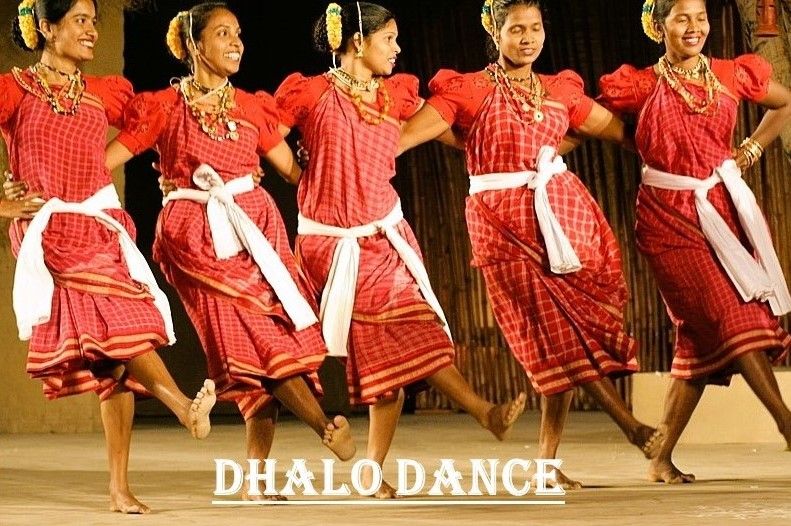
Goa, renowned for its vibrant culture and traditions, is home to one of the most captivating rural dances Dhalo. This folk dance, performed exclusively by women, is deeply rooted in the agrarian customs of the state. Celebrated under the moonlit skies of the Hindu month of Pausha, Dhalo is more than a Performance; it is a ritual of devotion, storytelling, and community bonding that has been preserved for generations.
Origins and Communities
Dhalo is performed by women belonging to the Kunbi, Bhandari, Naik, Gabit, and Gaudi communities. According to legend, Radha once sang love songs, known as dhalos, to Lord Krishna. Initially, these songs revolved around the divine romance of Krishna and Radha. Over time, however, the repertoire expanded to include praises of other deities, reflecting the evolving spiritual and cultural landscape of Goa.
Significance of Dhalo Dance
The Dhalo festival is celebrated during the Hindu months of Pausha and Magha. It is believed that the dance invokes divine blessings to protect the village from evil forces, strengthen social bonds, and ensure peace and prosperity. Thus, the ritual serves both spiritual and social purposes, reinforcing harmony and unity within the community.
Customs and Preparations
Traditionally, Dhalo begins on a Wednesday or Sunday. Before the festivities, women decorate open spaces and temples with colorful rangoli. Women from neighboring villages are welcomed to participate, though widows are traditionally excluded. Offerings known as talli—a mixture of rice, moong, and jaggery—are prepared and shared among those present.
The village leader, locally called Mandkann, initiates the ritual by invoking blessings from the Earth Mother and other divine forces, setting the tone for the sacred celebrations.
Performance and Rituals
The dance is performed in a sacred open space called mand, where villagers gather to sing, dance, and play music. Women sometimes dress as men to enact certain rituals, adding a theatrical element to the performance. The songs, though traditional, often include spontaneous verses, making each celebration unique. Singing continues late into the night, creating an atmosphere of devotion and festivity.
Around midnight, the actual dance begins. Women form two parallel rows of twelve, facing each other, and link arms in a tribal fashion. They sway forward and backward while singing stories of their lives, village events, and contemporary society. These performances, held over six nights, blend mythology with everyday experiences. Themes traditionally included tales from the Ramayana, Mahabharata, and Krishna’s romance, though in recent times Marathi and Hindi songs have also been incorporated.
On the concluding day, women wear elaborate costumes and even enact male roles, adding humor and creativity to the finale.
Cultural Importance
Dhalo is not merely a dance but a living tradition that preserves Goa’s folk heritage. It embodies devotion, storytelling, and social unity. Through its songs and rituals, Dhalo reflects the collective identity of rural women, their resilience, and their role in sustaining cultural continuity.
Legacy
Despite modern influences, Dhalo continues to thrive as a cherished folk tradition. It remains A Symbol of Goa Rural Spirit, blending mythology, devotion, and community life. By celebrating Dhalo, Goans honor their ancestors, preserve their cultural roots, and pass on a vibrant legacy to future generations.