
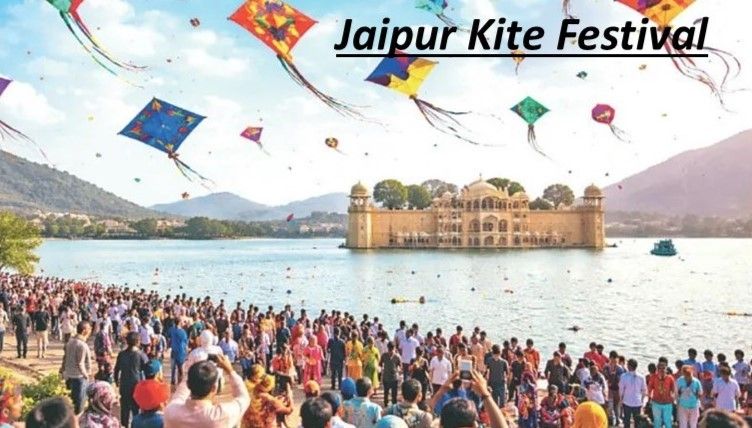
The Jaipur Kite Festival, also known as the International Kite Festival of Jaipur or the Desert Kite Festival, is one of Rajasthan’s most dazzling cultural events. Celebrated annually on 14th January, it coincides with Makar Sankranti, the day when the sun transitions into Makara Rashi (Capricorn) from Dhanu Rashi (Sagittarius). This celestial movement marks the beginning of the sun’s northward journey, known as Uttarayan, A Moment of Immense Spiritual significance in Hindu tradition.
Origins and Occasion
The festival has been celebrated in Jaipur for many years, steadily gaining international recognition. Kite enthusiasts from across the globe gather to participate, bringing creativity and innovation. Kites as large as 1.5 km have been flown during this grand event, leaving spectators in awe. The Jaipur Polo Ground serves as the central venue, while both Jaipur and Jodhpur are key regions where the festive spirit is most vibrant.
Rituals and Devotion
The day begins with a sacred dip in the waters of Galtaji, a revered pilgrimage site. Devotees then offer prayers to Lord Surya, seeking blessings for prosperity, health, and abundant harvests. This spiritual ritual sets the tone for the lively celebrations that follow, blending devotion with festivity.
Celebration and Festivities
As the day progresses, the skies of Jaipur transform into a kaleidoscope of colours. Kites of varied shapes, sizes, and textures soar high, some illuminated with lights, others adorned with caricatures, motifs, and social messages. The festival spans three days, with kite flying contests drawing participants from around the world.
Kite War and Flying Sessions
The festival is divided into two exciting segments: The Kite War and the Kite Flying Session. The Kite War is a thrilling competition where participants attempt to cut down opponents’ kites, accompanied by loud cheers of “Woh Kata Hai!” from rooftops. The Kite Flying Session, in contrast, is a relaxed showcase of artistry and skill. The finals are held on the last day, with winners receiving prizes at the majestic Umaid Bhawan Palace.
Colours and Atmosphere
The atmosphere is electric, with kites in shades of orange, green, pink, fuchsia, ochre, indigo, blue, red, and yellow filling the sky. Drums beat enthusiastically as crowds cheer, creating a festive symphony. The event is not only about competition but also about community spirit, joy, and cultural pride.
Culinary Traditions
No Indian festival is complete without sweets, and Jaipur’s Kite Festival is no exception. Locals indulge in traditional delicacies such as:
- Feeni — a sweet made from fine fibers
- Til ke Laddoo — sesame seed balls
- Gajak — sesame brittle, a Jaipur specialty
These treats symbolize warmth and hospitality, adding flavour to the festive spirit and strengthening bonds among families and communities.
Conclusion
The Jaipur Kite Festival is more than just a spectacle of colourful kites; it is a celebration of tradition, spirituality, and togetherness. By blending devotion to the Sun God with the joy of kite flying, the festival highlights Rajasthan’s rich cultural heritage. It Continues to Attract Global Attention, turning Jaipur’s skies into a dazzling stage for one of India’s most unique and exhilarating festivals.