
Introduction
In the Kendujhar district of Odisha lies Bhimkund, a mystical water reservoir that seamlessly blends mythology, spirituality, and natural beauty. Nestled in the Eastern Ghats, this enchanting site is not only a popular tourist destination but also a revered place of worship. Its origins are deeply connected to the great Indian epic, the Mahabharata, making Bhimkund a timeless symbol of devotion and legend.
Mythological Origins: The Mahabharata Connection
The Mahabharata narrates that Bhimkund was created by Bhima, the second Pandava brother renowned for his immense strength. During their exile, Draupadi grew thirsty, and to quench her thirst, Bhima struck the ground with his mace (gada). From that powerful blow, water gushed forth, forming the reservoir now known as Bhimkund.
It is also believed that Bhima bathed in this pool, which is why it bears his name. Even today, thousands of devotees gather during the Makar Mela in January to take a holy dip, convinced that the waters are sacred and spiritually purifying.
Location and Structure
Bhimkund is located inside an underground cave, approximately 30 meters from its entrance. To the left of the cave’s mouth stands a small Shiva linga, symbolizing Lord Shiva, which has become a site of devotion for Hindus. What makes Bhimkund extraordinary is the small opening in the cave’s roof directly above the reservoir. This spot is believed to mark the exact place where Bhima struck the earth with his mace.
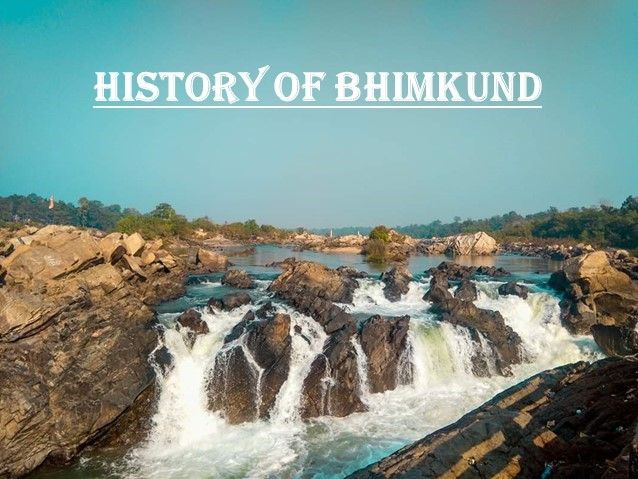
The pool’s depth is considered immeasurable by locals, adding to its mystical aura. Its indigo-blue waters, set against the backdrop of red stone walls, create a striking visual contrast that leaves visitors mesmerized.
Atmosphere and Surroundings
The tranquil environment of Bhimkund enhances its spiritual significance. The reservoir’s deep blue hue has fascinated pilgrims and tourists for generations. Surrounding caves add an element of mystery, though none have been fully explored. The serene setting, combined with mythological associations, makes Bhimkund both a spiritual retreat and a natural wonder.
Legends from Narada Purana
Bhimkund is also mentioned in the Narada Purana. According to this legend, Narada Muni once performed the Gandharva Gayan (celestial song) in praise of Lord Vishnu. Pleased with his devotion, Lord Vishnu appeared from Bhimkund, and the water turned blue due to his dark complexion. This divine tale explains why Bhimkund is also known as Neel Kund (Blue Pool) and Narad Kund.
Cultural and Religious Significance
Beyond its Natural Beauty, Bhimkund is a living symbol of India’s spiritual heritage. The annual Makar Mela attracts thousands of devotees who believe that bathing in its waters brings blessings and spiritual merit. The site serves as a reminder of India’s rich mythological traditions, where natural landmarks are deeply connected to epic tales and divine interventions.
Conclusion
Bhimkund in Kendujhar district of Odisha is a unique blend of mythology, spirituality, and natural charm. Rooted in the Mahabharataand enriched by the Narada Purana, it continues to inspire awe and devotion. Whether seen as a sacred reservoir created by Bhima’s strength or as a mystical pool blessed by Lord Vishnu, Bhimkund remains a timeless destination for pilgrims and travelers seeking both faith and wonder.