
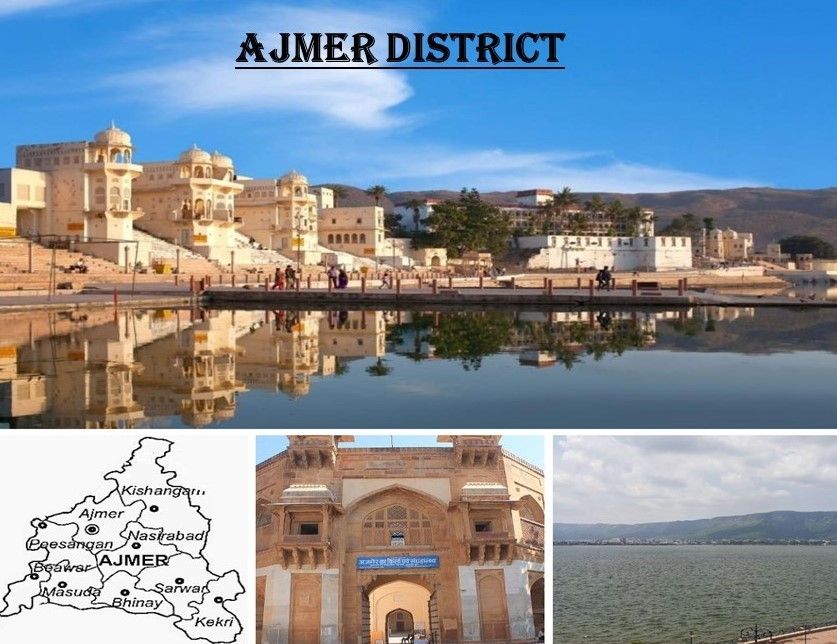
Introduction
Nestled in the heart of Rajasthan, Ajmer District is a captivating blend of history, spirituality, and scenic beauty. Known for its rich cultural tapestry and religious significance, Ajmer attracts travelers from across the globe. Whether you're a history enthusiast, a spiritual seeker, or a leisure tourist, Ajmer offers a unique experience that reflects the essence of India’s diverse heritage.
About Ajmer District
Ajmer District is one of the prominent districts in the state of Rajasthan, India. It serves as a vital administrative and cultural hub, with Ajmer city as its headquarters. The district spans an area of approximately 8,481 square kilometers and comprises several towns and villages, each contributing to its vibrant character. Ajmer is renowned for its harmonious coexistence of Hindu and Muslim cultures, making it a symbol of unity and tolerance.
Location of Ajmer
Ajmer is strategically located in central Rajasthan, making it easily accessible from major cities like Jaipur, Delhi, and Udaipur. It lies about 135 kilometers southwest of Jaipur and is surrounded by the Aravalli mountain range, which adds to its scenic charm. The district’s geographical position makes it a convenient stopover for tourists exploring the Golden Triangle of India Delhi, Jaipur, and Agra.
Travel Information on Ajmer
Ajmer is well-connected by road, rail, and air:
- By Air: The nearest airport is Kishangarh Airport, located around 30 kilometers from Ajmer city. It offers flights to major Indian cities.
- By Rail: Ajmer Junction is a major railway station with direct trains to Delhi, Mumbai, Kolkata, and other cities.
- By Road: National Highway 8 passes through Ajmer, linking it to Jaipur and Udaipur. Regular bus services and taxis are available.
The best time to visit Ajmer is between October and March when the weather is pleasant and ideal for sightseeing.
Accommodation in Ajmer
Ajmer offers a wide range of accommodation options to suit every budget:
- Luxury Hotels: Options like The Royal Melange Beacon and Mansingh Palace provide premium amenities and heritage-style architecture.
- Budget Hotels and Guesthouses: Numerous affordable lodgings are available near the railway station and tourist spots.
- Pilgrim Accommodation: For those visiting the Dargah Sharif, several dharamshalas and lodges cater specifically to pilgrims.
Many hotels offer guided tours and local cuisine, enhancing the overall travel experience.
Ajmer City
Ajmer city is the cultural and spiritual nucleus of the district. It is famous for the revered Ajmer Sharif Dargah, dedicated to the Sufi saint Khwaja Moinuddin Chishti. The city’s narrow lanes, bustling bazaars, and historical monuments create a vibrant atmosphere that reflects centuries of tradition.
Ajmer is also a center for education and administration, housing institutions like Mayo College, one of India’s oldest public schools. The city’s urban infrastructure is well-developed, with modern amenities coexisting alongside historical landmarks.
Places of Interest in Ajmer
Ajmer boasts a rich array of attractions that cater to diverse interests:
- Ajmer Sharif Dargah: A major pilgrimage site for Muslims, visited by devotees of all faiths.
- Taragarh Fort: One of the oldest hill forts in India, offering panoramic views of the city.
- Ana Sagar Lake: A picturesque artificial lake surrounded by gardens and marble pavilions.
- Adhai Din Ka Jhonpra: A remarkable example of Indo-Islamic architecture, originally a Sanskrit college converted into a mosque.
- Mayo College Museum: Showcases artifacts and memorabilia from the colonial era.
- Pushkar: Located just 15 km from Ajmer, this town is famous for the Brahma Temple and the annual Pushkar Camel Fair.
These sites offer a glimpse into Ajmer’s multifaceted heritage, from spiritual devotion to architectural grandeur.
History of Ajmer
Ajmer’s history dates back to the 7th century when it was founded by Raja Ajay Pal Chauhan. It later became a significant center under the Chauhan dynasty, with Prithviraj Chauhan being one of its most notable rulers. The city fell to the Mughals in the 16th century and was favored by Emperor Akbar, who frequently visited the Dargah.
During British rule, Ajmer was a centrally administered province and played a key role in colonial governance. Its historical evolution is marked by the confluence of Rajput valor, Mughal patronage, and British administration, making it a microcosm of India’s layered past.
Leisure Tourism in Ajmer District
Ajmer is not just about history and spirituality it also offers ample opportunities for leisure tourism:
- Wellness Retreats: Several resorts and yoga centers offer wellness packages amidst serene surroundings.
- Shopping: Local markets are filled with handicrafts, silver jewelry, embroidered textiles, and traditional Rajasthani attire.
- Cuisine: Ajmer’s food scene includes Rajasthani specialties like dal baati churma, kachoris, and sweets like sohan halwa.
- Festivals: The Urs of Khwaja Moinuddin Chishti and the Pushkar Fair are major events that attract thousands of visitors.
Adventure seekers can explore trekking trails in the Aravalli hills or enjoy boating in Ana Sagar Lake. The district’s blend of relaxation and exploration makes it ideal for family vacations, solo travel, and cultural immersion.
Ajmer District stands as a testament to Rajasthan Rich Legacy, offering travelers a unique blend of spirituality, history, and leisure. Whether you're drawn by the mystique of Sufi saints, the grandeur of forts, or the tranquility of lakes, Ajmer promises an unforgettable journey through the soul of India.